

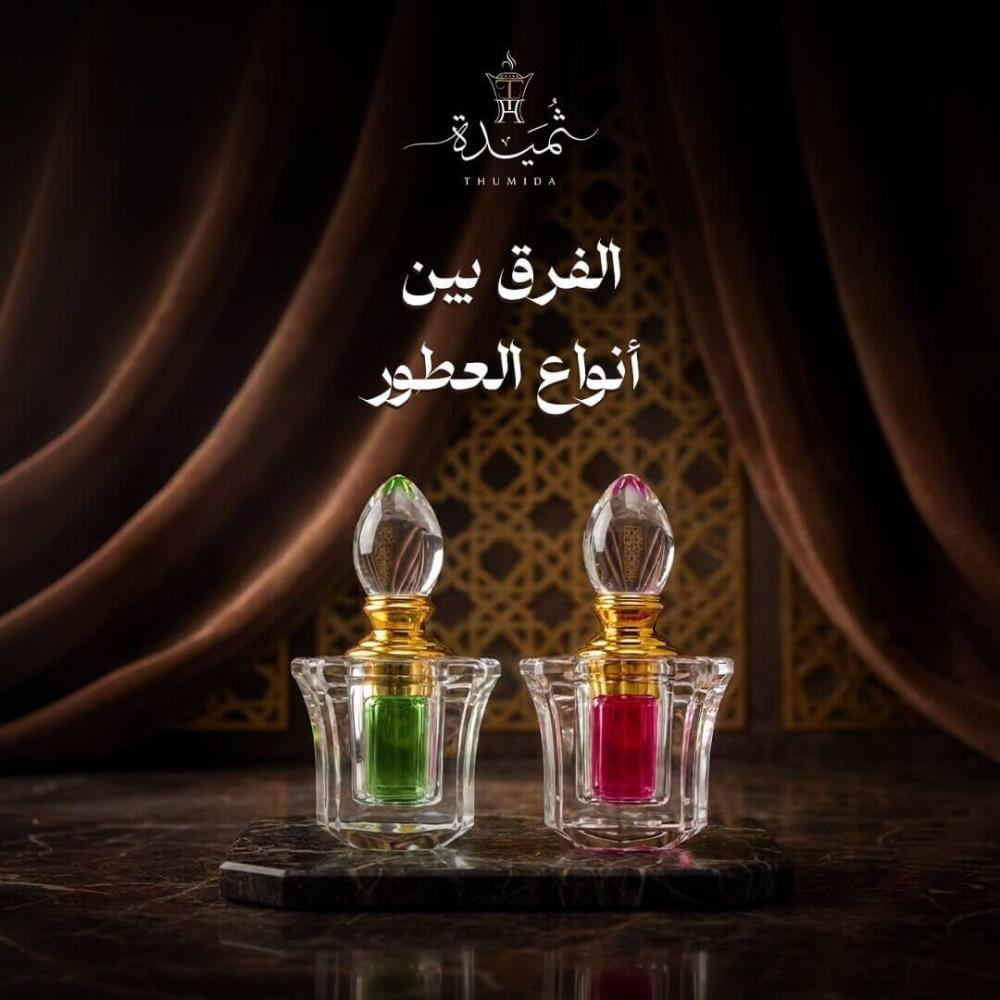
The Difference Between Types of Perfumes: Your Guide to Choosing the Right Fragrance Based on Concentration and Occasion
Many people search for the difference between types of perfumes before purchasing a new fragrance because choosing a perfume is about much more than simply liking its scent. It also depends on its concentration, longevity, fragrance notes, and the occasion for which it will be worn. With the wide variety of fragrances available today, finding the perfect perfume for your personality and lifestyle can be challenging.
There are many types of perfumes, including oriental, floral, woody, citrus, and fruity fragrances. Each category differs in concentration and longevity, making it essential to understand the difference between types of perfumes in order to enjoy a long-lasting fragrance that reflects your personality and suits every occasion.
The Most Popular Types of Perfumes Around the World
When discussing the difference between types of perfumes, it's important to first understand the most popular fragrance families. Each family offers a unique scent profile and creates a different impression.
Floral Perfumes
- Floral fragrances are among the most popular women's perfume types. They feature notes of rose, jasmine, orange blossom, and violet, creating a soft and elegant scent that is perfect for daily wear and daytime occasions.
Oriental Perfumes
- Oriental fragrances are characterized by warm notes such as oud, amber, vanilla, and musk. They are well known for their excellent longevity and rich character, making them a favorite choice for evening wear and formal occasions.
Woody Perfumes
- Woody fragrances are built around ingredients such as sandalwood, cedarwood, and patchouli. They create a sophisticated and confident impression, making them highly popular among Men's perfume types, such as Lacoste White for Men , while also appearing in many modern women's fragrances.
Citrus Perfumes
- Citrus fragrances contain refreshing notes such as bergamot, lemon, mandarin, and grapefruit. Their light and vibrant character makes them ideal for hot weather and daytime use.
Fruity Perfumes
- Fruity fragrances combine fresh fruit notes with floral or woody accords, making them an excellent choice for people who enjoy energetic, youthful, and modern scents.
The Difference Between Perfume Concentrations
Many people believe that all perfumes are the same. However, the real difference between types of perfumes lies in the percentage of fragrance oils used in each formula. This determines a perfume's longevity, projection, and price.
Parfum
- Parfum has the highest fragrance oil concentration, reaching approximately 40%, allowing it to last for more than 12 hours. It is the perfect choice for formal events, evening occasions, and anyone looking for exceptional longevity.
Eau de Parfum (EDP)
- Eau de Parfum is the most popular concentration because it offers an excellent balance between longevity and price. One of the best examples is Chopard Amber Royal Eau de Parfum, which typically lasts between 6 and 8 hours, making it suitable for everyday wear and professional environments.
Eau de Toilette (EDT)
- Eau de Toilette has a lighter concentration than EDP, making it fresher and more suitable for warm weather. Polo Blue Eau de Toilette is an excellent example, offering a refreshing fragrance that generally lasts between 3 and 5 hours, making it ideal for summer.
Eau de Cologne (EDC)
- Eau de Cologne contains the lowest percentage of fragrance oils. It provides an instant burst of freshness but usually requires reapplication throughout the day.
Understanding perfume concentrations helps you choose the right fragrance based on your needs and budget while clearly explaining the difference between types of perfumes in terms of performance and longevity.
The Difference Between Summer and Winter Perfumes
The difference between perfumes is not limited to concentration. Temperature also plays an important role in how a fragrance performs on your skin.
Summer Perfumes
- Summer fragrances feature citrus, marine, and green notes that create a clean and refreshing feeling. Their lighter composition makes them more comfortable to wear in hot weather.
Winter Perfumes
- Winter fragrances are built around oud, amber, musk, vanilla, and spicy notes. Their richer composition offers stronger projection and better longevity during colder seasons.
For this reason, fragrance experts recommend owning more than one perfume and choosing different fragrances depending on the season instead of relying on a single perfume throughout the year.
The Best Types of Perfumes in Saudi Arabia
The Saudi fragrance market offers an impressive variety of perfumes, with preferences varying according to personal taste and occasion Many perfume lovers in Saudi Arabia prefer oriental fragrances containing oud, musk, and amber, while others enjoy elegant French floral and citrus perfume Among women's perfume types, floral and oriental fragrances remain the most popular choices, especially for celebrations and evening events.
For men's perfume types, woody, leathery, and oriental fragrances continue to dominate because they combine elegance, excellent projection, and long-lasting performance.
To enjoy the best fragrance experience, purchase your perfume from a trusted stor, which offers authentic products along with detailed information about fragrance notes and perfume concentration. This allows you to compare different options and better understand the difference between types of perfumes before making your purchase.
The Difference Between Original and Counterfeit Perfumes
Although original and counterfeit perfumes may appear similar on the outside, the difference between types of perfumes becomes obvious when it comes to ingredient quality, scent development, and longevity.
An authentic perfume opens with well-defined top notes, gradually transitions into heart notes, and finally settles into long-lasting base notes. A counterfeit fragrance, on the other hand, often smells flat from the beginning or fades quickly because it is made with lower-quality ingredients.
The difference can also be noticed in the packaging, bottle quality, batch number, and printing details. For this reason, it is always recommended to purchase perfumes from a trusted retailer to ensure you receive an authentic product.
How to Choose the Right Perfume Among Different Types of Perfumes
There is no single fragrance that suits everyone. Choosing the right perfume depends on several factors, not just the popularity of a particular brand.
Choose the Right Occasion
- If you're looking for a fragrance for work, university, or everyday wear, fresh and light scents are usually the best choice. For evening events and formal occasions, oriental and woody fragrances with stronger longevity are more suitable.
Choose the Right Concentration
- Before making a purchase, take the time to understand perfume concentrations. Choosing the appropriate concentration helps you achieve the performance you expect, whether you're buying a fragrance for daily use or special occasions.
Test the Perfume on Your Skin
- Perfumes react differently depending on your skin type and pH level. Instead of judging a fragrance immediately after spraying it on a paper strip, apply it directly to your skin and wait several minutes for the heart and base notes to fully develop.
Avoid Testing Too Many Perfumes at Once
- It is recommended to test only three or four fragrances during one shopping session. After that, your sense of smell becomes less sensitive, making it difficult to distinguish between different scents.
Following these simple steps makes it much easier to understand the difference between types of perfumes and choose a fragrance that truly matches your personality and lifestyle.
How Does Thumida Help You Choose the Right Perfume?
Finding the perfect fragrance is not only about selecting a scent you like. Understanding fragrance families, concentration, and performance also plays an important role in making the right choice That's why Thumida offers a carefully selected collection of fragrances for different tastes and occasions. Whether you prefer warm oriental perfumes, elegant floral scents, or refreshing woody fragrances, you'll find detailed information about each perfume's notes and concentration to help you make an informed decision.
By exploring the perfume collection at Thumida, you can apply everything you've learned in this guide about the difference between types of perfumes and confidently choose a fragrance that complements your personality while providing long-lasting performance throughout the day.
After learning the difference between types of perfumes and understanding how to choose the right fragrance, you can explore Thumida's perfume collection to compare different scents, concentrations, and fragrance families. Detailed product information makes it easier to select the perfume that perfectly matches your style and occasions.
Frequently Asked Questions About the Difference Between Types of Perfumes
1.What is the difference between Eau de Parfum and Eau de Toilette?
The main difference is the concentration of fragrance oils. Eau de Parfum contains a higher percentage of perfume oils, resulting in better longevity, while Eau de Toilette is lighter and better suited for everyday wear.
2.Why does the same perfume smell different on different people?
A fragrance reacts differently depending on skin type, body temperature, skin hydration, and natural body chemistry, making the same perfume smell unique on each person.
3.Does perfume concentration affect the price?
Yes. Higher fragrance oil concentrations usually require more premium ingredients, which increases both production costs and the retail price.
4.Are men's perfumes different from women's perfumes?
Not necessarily. While some fragrances are traditionally marketed toward men or women, many modern perfumes are designed as unisex fragrances. Ultimately, the best choice depends on your personal preference rather than gender.